When you think of London, it may not seem like the most autistic friendly destination. It’s a busy, crowded city and it can feel overwhelming for autistic people who struggle with sensory overload. However, London is also one of the best cities in the world and with a bit of inside knowledge, you can have an accessible trip.
A Note About Accessibility
Accessibility looks different for different autistic people and there will be some autistic people who have access needs that I have never even considered. This guide is based on my own experiences but if you have an access need that I’ve missed please feel free to ask. Equally, if you have other experiences in London and tips for accessible travel, I would love to hear about them.
When To Visit London
Weather can be somewhat unpredictable in the UK. If you struggle with hot weather and bright sunlight, it’s best to avoid the summer when it can get very hot. In recent years we’ve had heat waves as early as May. Air-conditioning is not universal in the UK so if you visit in the summer you may find yourself in hotels without air-conditioning or on stifling public transport. London tends to get particularly hot. We get rain all year round, so coming in the summer doesn’t guarantee a rain free trip. It doesn’t guarantee the sun will even shine!
Our winters tend to be cold, wet and dark. The sun sets early in the winter, with it getting dark around 4PM. We rarely get snow in London, I would say probably every couple of years but when we do get snow it tends to be in January/February time.
Where To Stay
My experience as an autistic person is that to have an accessible trip to London, you need to stay in the centre. I know that for some autistic people this may seem counter productive because the centre of London is the busiest part but personally I like to minimise my use of public transport which means staying in hotels where you can walk to the big attractions. If you have a specific area you want to explore, that’s where I would book the hotel.
Generally, I recommend that autistic people stay in familiar chains. You know what you’re getting with a Holiday Inn or a Marriott or a travel lodge and that can make any trip less stressful. London has a LOT of hotels so whatever your preferred brand, you are likely to find it in London. But, if you’re looking to stay somewhere a bit different I have a couple of recommendations.
Eccleston Square Hotel – Victoria
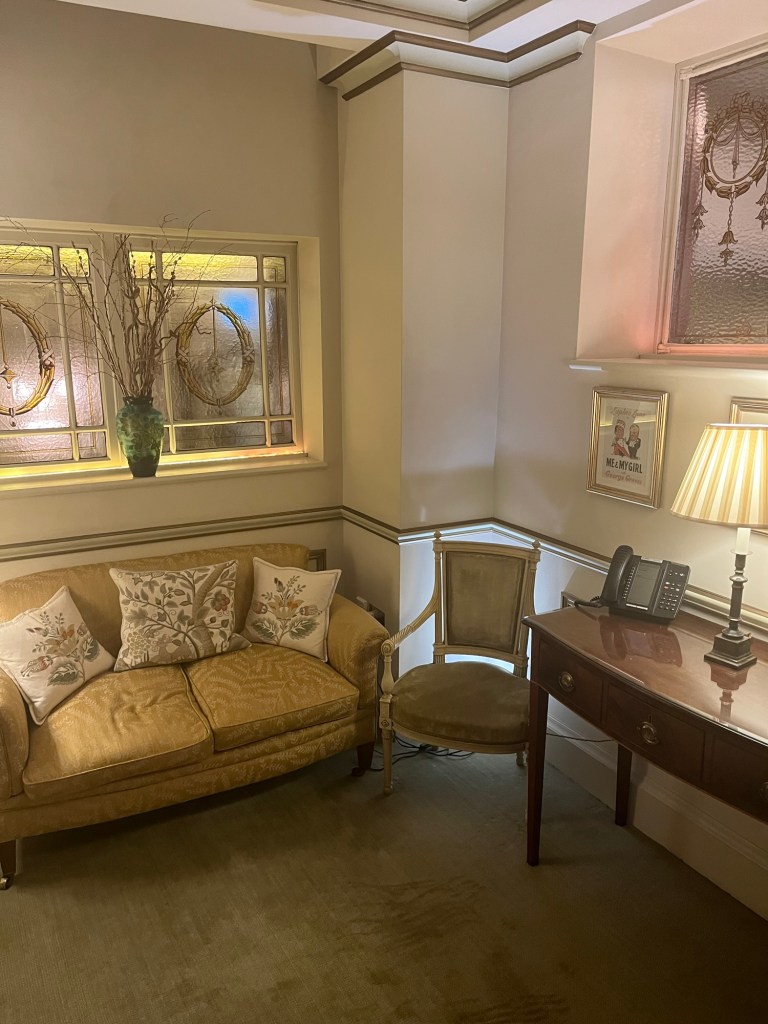
The Eccleston Square Hotel is tucked away on a quiet street a short walk from Victoria station. The hotel is quiet and it’s difficult to believe you’re in central London. It’s a small, boutique hotel and when I stayed the staff were so friendly and helpful. They have a daily tea service where they deliver a tea tray to your room free of charge, which I loved. Eccleston Square Hotel is a high tech hotel where even the curtains are operated electronically from the bed. The bed is super comfy and adjustable. One of the other perks was that you get access to a private garden, where you can retreat.
When I stayed at the Athenaeum Hotel I stayed in one of their residences. The size of the suite means that you really can’t hear anything from outside your rooms. The residences are very spacious and can be combined to make two bedroom suites, making them great for autistic people who need a lot of space. As you would expect in a five star hotel, there is turn down service and what I particularly liked was that they leave a bottle of water by the bed as I always wake up thirsty and always forget to get water before I go to bed. During my stay the hotel was very busy and the restaurant and bar were crowded but fortunately I had access to the executive lounge which was quiet and peaceful. And it had amazing views.
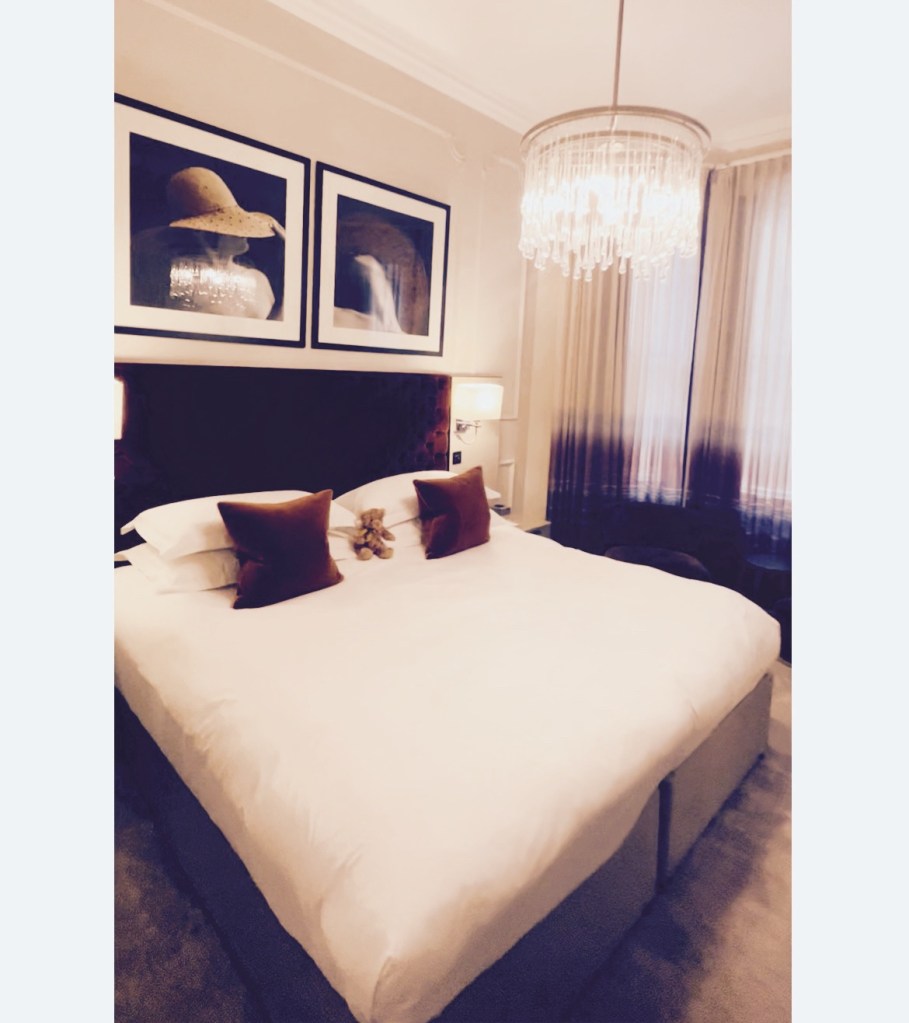
In general I don’t think the Standard is particularly autistic friendly because it’s such a busy, crowded hotel. However, it makes the list because it’s one of the only hotels I’ve stayed in in London that has windowless rooms. So if you’re an autistic person who likes to avoid sunlight, this might be the hotel for you.

Getting Around
I would generally not recommend driving in London. I’ve sat in traffic for longer than it would have taken me to walk places in the past and depending on your vehicle, you may need to pay the congestion charge and along with the cost of parking, it tends to be a very expensive option. However, if you really struggle with crowds and have mobility difficulties that would prevent you from walking places, it may be a good option for you. There are plenty of taxis in London and you can flag one down if it has its light on or grab one from a taxi rank. You can also use uber, although I never have so can’t comment on this.
I can’t emphasise enough how much of a sensory nightmare public transport in London can be. Buses and the underground are a really convenient and cost effective way to get around but they can get very crowded. Most of the underground is not air conditioned so it can also get very hot. If you have to use public transport and you’ll struggle in crowds, avoid the busy periods. I try to avoid travelling before 10AM and between 4 and 7PM. It may sound illogical, but I find it’s actually better to get on the tube at the more popular stations because while lots of people are getting on the tube, there are also lots of people getting off so it can be easier to get a seat, although this has to be balanced against the crowds on the platform.
The underground isn’t the only way to travel on public transport. Buses can often be an easier way to get to places. There is also the Docklands Light Railway (DLR) that will take you from central London to the docklands and that general area. There are lots of national rail services in London to that can take you from one train station to another within London as well as taking you out of London.
If you are able to walk longish distances, I would recommend walking rather than taking public transport. London is not a particularly big city and it is a beautiful place to walk around. You get to see so much more when you walk and one of the things I love about London is there are loads of hidden gems you can stumble across when exploring on foot.
Visiting Attractions
One of the things that makes London such a great place for autistic people, is that whatever your special interest, the chances are you will find something related to it in London. Are you interested in buses? You can visit the London Transport Museum. You can actually visit it repeatedly because the ticket lasts for a year. Like dinosaurs? Then you have the natural history museum. Obsessed with the tudors? Take your pick of attractions! Even if your interest is quite obscure, there’s a good chance you’ll find something related to it in London. The difficulty is that many attractions are crowded and inaccessible.
The good news is that many attractions are making efforts to become more accessible to autistic people. It’s important to note that not all historic sites will be accessible to wheelchair users or people with limited mobility so if you need a physically accessible attraction it’s best to check in advance. Many attractions do offer free tickets for companions who you need to support you, so it’s always good to check this out before you visit. Many of the big attractions have autism guides available to download on their websites and they’re really helpful for planning and preparing for a trip. There still aren’t enough changing places toilets but it is getting better and some of the big attractions do have them.
I can’t possibly cover every attraction I’ve ever visited, there are too many. But here are a few of my favourites.
BUCKINGHAM PALACE
Buckingham Palace is only open to visitors for part of the year so it tends to get very very busy. There are entrances that are less busy than others and autistic visitors can book in advance to use those entrances. This does mean that entrance to the palace is a bit easier but to be completely honest, it’s still very busy inside and as you have to go around the state rooms in a certain direction it can be difficult to get out of the crowds.
THE TOWER OF LONDON
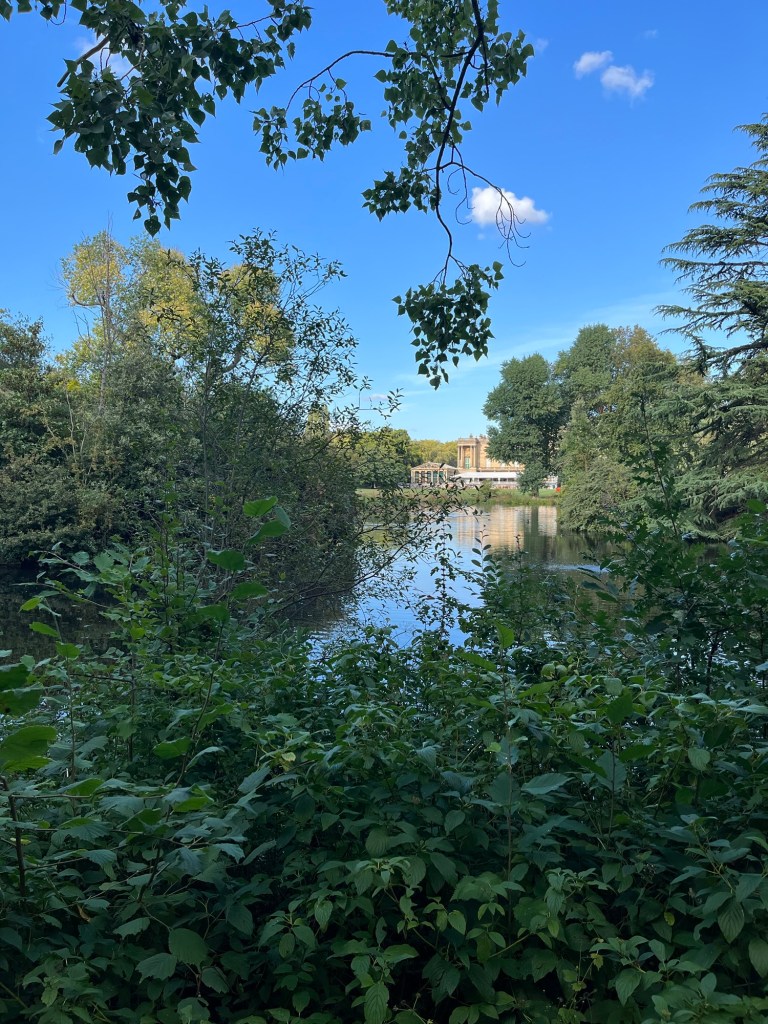
The Tower of London is one of my favourite attractions and I consider it one of the more autistic friendly attractions. Like other popular attractions it does get very busy but there is a lot of outdoor space and even if you choose not to go into the more crowded buildings, there’s still lots to see. Historic Royal Palaces say that the quietest times are before 11AM.
THE BRITISH MUSEUM
The British Museum is nearly always busy. I was a member for years and visited at all times of the day, various days of the week and it was never quiet. There are some parts that are always crowded. I don’t think I’ve ever visited the Rosetta Stone and not had loads of people blocking the view. However, there are parts of the museum that are much quieter. It’s a big museum and some of the rooms are quiet. If you are in London and want to visit but can’t cope with the crowds (or would just find it more pleasant without them) it’s worth checking to see if there’s a members evening and if there is, you can become a member and attend. The members evenings are when the museum opens in the evening just for members. It’s much quieter during these times.
CHELSEA PHYSIC GARDEN
Chelsea Physic Garden is a walled garden in Chelsea and one of my favourite attractions. It’s like a little piece of serenity in a busy city. The garden is over 350 years old so as well as having interesting plants to learn about, it also has a really interesting history.
THE CLINK PRISON MUSEUM
I’ve visited the Clink a couple of times after work, which meant I was there about an hour before it closed, and I found it very accessible. I struggle with bright lights and it’s quite a dark museum, making it creepy but accessible to me. It was also very quiet on each occasion I visited. It’s not a particularly big museum so arriving so close to closing time was fine for me.
THE CITY OF LONDON
The city of London (also known just as the city) isn’t really an attraction as such but an area within London. It’s the financial centre of London so during the week it is very crowded but at the weekend most of it is empty. I love walking around the city at the weekend. There’s been a settlement here since at least the Roman times and you can still see remains from the Roman era. Some of London’s most iconic buildings like the Stock Exchange and the Gherkin are in the city. Not everywhere is open at the weekend so there are museums, like the Bank of England museum that you won’t be able to visit and it may be more difficult to find an open coffee shop.
LONDON ZOO
I think that generally London Zoo is one of the best big attractions in London in terms of making efforts to become accessible to disabled people and this includes autistic visitors. They offer relaxed tours of the zoo before and after it’s open to the general public.
ST DUNSTAN IN THE EAST
St Dunstan in the East was a church in London that was destroyed during the blitz. Rather than rebuilding it, it was turned into a park and is now one of the most beautiful and peaceful places in London.

ST JAMES’S PARK
London has lots of parks that offer visitors somewhere less crowded to retreat to. Some areas of some parks do get very crowded and there will often be events happening in some of the bigger parks but generally there will be plenty of quiet spaces for you to explore. My favourite park is St James’s. It’s one of the smaller parks and has beautiful views of Buckingham Palace that make me feel like I’m walking through a fairytale.
Cinema and Theatre
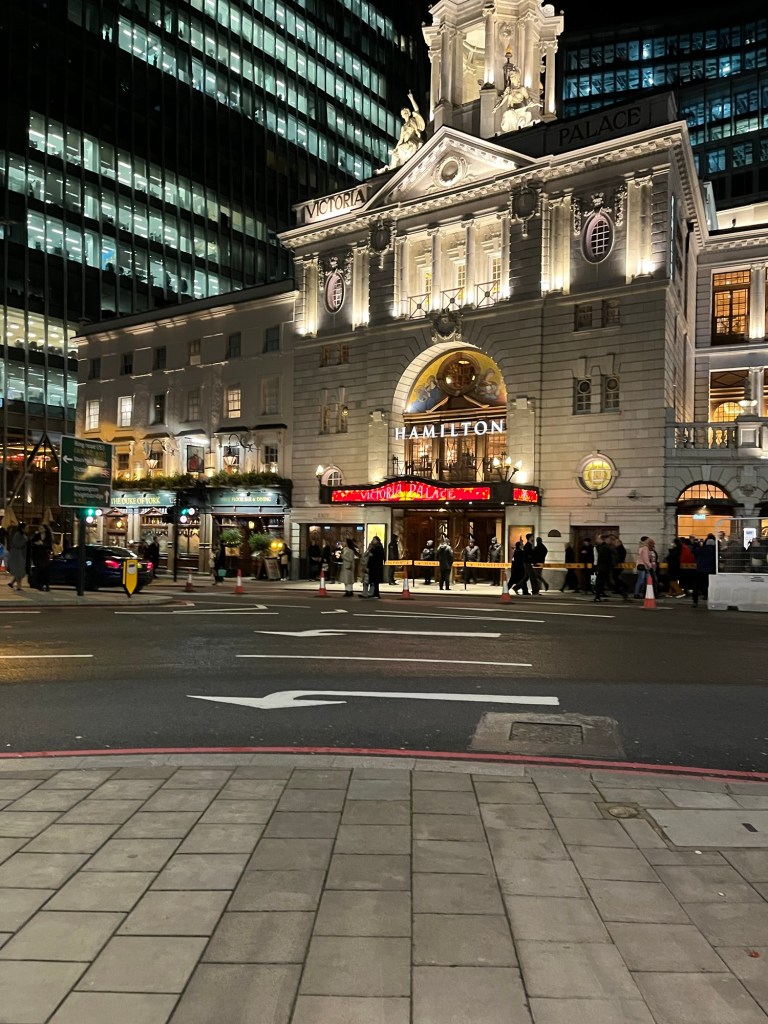
I love going to the theatre and cinema but London’s theatres and cinemas aren’t known for being accessible to autistic patrons. I’ve had some pretty bad experiences myself, most notably at the Globe theatre, and there have been cases of autistic people being treated awfully in some of London’s venues.
The good news is that some places are making big efforts to become more accessible. Most cinemas will have relaxed performances now and many of the big theatres now have quiet rooms where neurodivergent patrons can retreat to. I’ve never seen these advertised (although I’m not particularly observant) so you may need to ask for access to them. Most theatres do have boxes that you can book if you struggle to have people brushing up against you (most theatres have very tight seating) but they are quite pricey.
Further Information
I’ve made a number of TikTok’s about London attractions. Here are a couple you may want to check out:
 Travel Autistic